
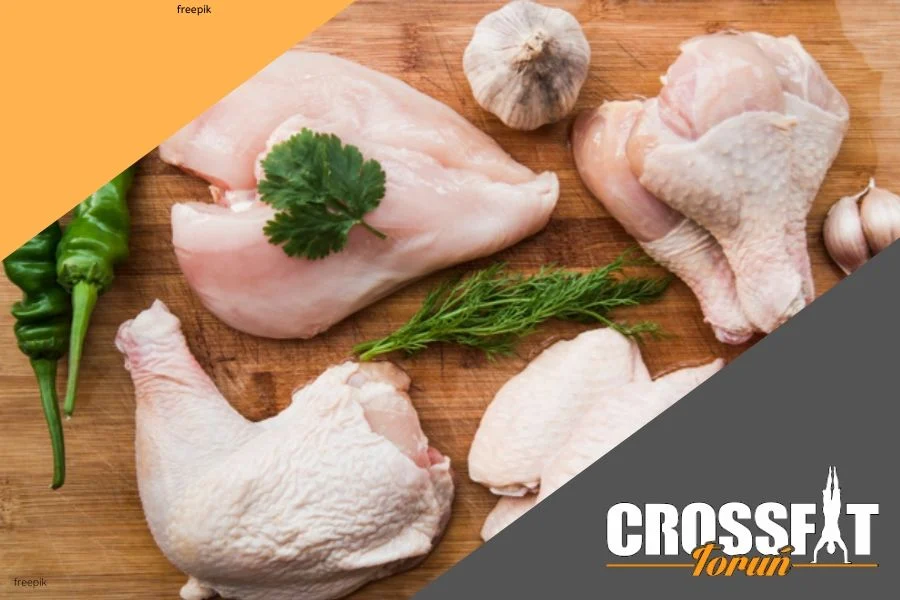
What exactly is protein? Why do we need it, and how much? What are good sources of protein?
Protein is a macronutrient – a nutrient the body can’t function properly without. Proteins are made up of chains of amino acids, which the human body needs to work. Proteins have many vital roles in the body: they help build muscle mass, stabilise collagen structures and produce hormones, enzymes and antibodies.
Our body needs 1.2–3.5 g of protein per kg of LBM (lean body mass). The more our training focuses on strength, the more protein we need. The more endurance-based our effort, the less we need.
Complete proteins
These are proteins that contain all the essential amino acids the body needs. You’ll find complete proteins in foods of animal origin.
Incomplete proteins
These are proteins that don’t contain the full set of essential amino acids. Plant foods are a source of incomplete protein. That’s why, on a vegetarian diet, it’s really important to balance your meals so that you get all the essential amino acids.
Essential amino acids
The nine “essential amino acids” have to come from our diet, because the human body can’t make (synthesise) them. These amino acids are:
- histidine
- isoleucine
- leucine
- lysine
- methionine
- phenylalanine
- threonine
- tryptophan
- valine
Protein-rich foods are often rated on how “complete” their amino acid profile is compared with our essential amino acid needs. Because biologically we’re much closer to a cow than to a cauliflower (!), cow protein is far more similar to our own. For this reason, food we get from animals and animal products (meat, fish, eggs, dairy) usually scores highly on amino acid profile and is considered “high-quality protein”. Proteins from these sources provide all the essential amino acids.
Healthy eating is about getting the right balance of nutrients from an appealing variety of foods and meals. Protein shows how complicated nutrition can be – but also how evolution can teach us a few lessons.
Sources of protein
- meat – ideally grass-fed, from farms you trust, and game
- eggs
- fish and seafood (but in moderation – heavy metals)
- real dairy – from good, trusted sources
- goji berries, teff, buckwheat, amaranth, shiitake mushrooms, oyster mushrooms
- protein supplements
- pulses
Tips for vegetarians – you can get a complete amino acid profile from plant proteins if you use these combinations:
- Pulses (beans, peas, lentils) with dairy products (e.g. milk, cheese).
- Whole grains (brown rice, noodles, couscous, wholegrain bread) with pulses (beans, peas, lentils).
- Pulses (beans, peas, lentils) with seeds and nuts.