
Why does drinking enough water regularly matter for energy, focus and performance?
Hydration is one of the most basic parts of looking after your body. And at the same time, one of the most often ignored. Many people focus on training and diet, forgetting that without enough fluid the body simply can’t work at its best.
Why is hydration so important?
Water is involved in practically every physiological process:
- it regulates body temperature,
- it transports nutrients,
- it allows your muscles to work properly,
- it supports your nervous system.
When your hydration drops, your body starts working less efficiently. Importantly, you don’t have to be “severely dehydrated” to feel the difference. Research shows that losing just 1–2% of body weight through dehydration can impair cognitive and physical performance [1,2]. You can reach that level sooner than you think – especially with intense training, high temperatures or a packed schedule.
Hydration, focus and cognitive function
Concentration is one of the first things to suffer when you’re dehydrated. Even a small fluid deficit can lead to:
- reduced attention,
- poorer short-term memory,
- greater tiredness,
- a lower mood [2,3].
Crucially, these effects are seen not only in physically active people but also in people doing desk work. Dehydration increases how hard things feel – both physically and mentally. So drinking water regularly isn’t just about “sport”. It’s about functioning well every day – and not only physically.
Hydration and physical performance
During exercise we lose fluid through sweat. If it isn’t replaced, you see a drop in:
- aerobic capacity,
- the ability to sustain intensity,
- muscle efficiency.
Dehydration impairs both endurance and strength, and makes you feel more tired [4,5].
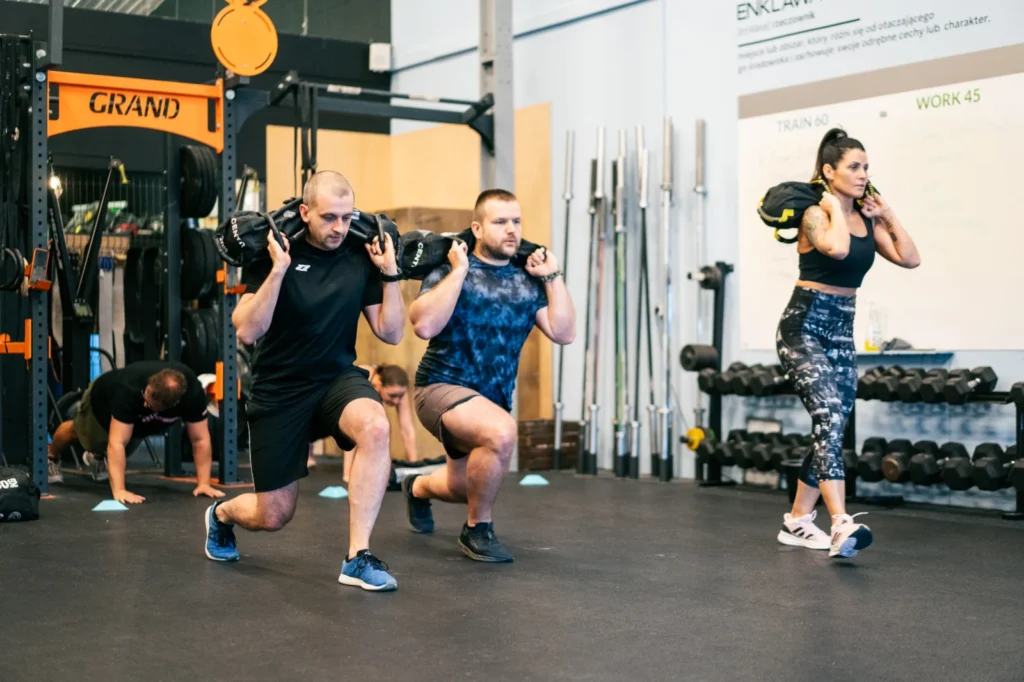
Hydration and CrossFit – why it’s the absolute foundation of your performance
CrossFit is one of the most demanding forms of exercise. It combines strength, endurance and metabolic conditioning, often performed at high intensity over a short time. In these conditions, proper hydration isn’t an extra – it’s the foundation of performance, safety and recovery.
During intense exercise your body produces a lot of heat. To keep its temperature stable, it starts sweating. With sweat we lose not only water but also electrolytes – mainly sodium, potassium and chloride. Losing as little as 2% of body weight through dehydration can significantly reduce your physical performance, power output and concentration.
In CrossFit, where both strength and pace matter, dehydration can lead to:
- fatigue building up faster
- a drop in power and muscular endurance
- poorer coordination
- a higher risk of technical errors and injury
Dehydration also affects your cardiovascular system. A smaller plasma volume means your heart has to work harder to deliver oxygen to your working muscles. In practice this can mean a higher heart rate at the same intensity, and a sense that the workout feels “harder”.
Why drinking regularly beats “catching up”
Many people only remember about water in the evening – and then try to “catch up” with several glasses at once. That’s not the best strategy. Your body works best when fluids are taken in gradually, your hydration stays fairly stable and there are no big swings during the day. Drinking small amounts of water regularly supports steady temperature regulation, lowers the risk of headaches, reduces tiredness and makes both work and training more comfortable.
How much water do you need?
There’s no single number that works for everyone. Your needs depend on:
- body weight,
- activity level,
- ambient temperature,
- how much you personally sweat.
The European Food Safety Authority (EFSA) suggests a guideline total water intake (from drinks and food) of around 2.0–2.5 litres a day for adult women and men [6].
It helps to keep a bottle of water where you can see it, drink regularly rather than only when you’re very thirsty, and drink more on training days. The colour of your urine can be a simple indicator of hydration — pale straw usually means you’re getting enough fluids, while dark urine is a sign of dehydration.
Is water the only good option?
Water is the best choice – it has no calories or sugar and quenches thirst effectively. Some of your fluids also come from tea, herbal infusions, soups, vegetables and fruit.
Sugary drinks and energy drinks aren’t a good main source of hydration.
Even mild dehydration can reduce performance and focus. Drinking water regularly is a simple, low-cost habit that genuinely improves how you function — both at work and in training. It’s a foundation without which it’s hard to expect the best results.
References
- Cheuvront SN, Carter R, Sawka MN. Fluid balance and endurance exercise performance. Current Sports Medicine Reports, 2003. DOI: 10.1249/00149619-200312000-00009
- Ganio MS et al. Mild dehydration impairs cognitive performance and mood. Journal of Nutrition, 2011. DOI: 10.3945/jn.111.142000
- Armstrong LE et al. Mild dehydration affects mood in healthy young women. Journal of Nutrition, 2012. DOI: 10.3945/jn.112.163477
- Sawka MN et al. Exercise and fluid replacement. Medicine & Science in Sports & Exercise, 2007. DOI: 10.1249/mss.0b013e31802ca597
- Judelson DA et al. Effect of hydration state on strength, power, and resistance exercise performance. Medicine & Science in Sports & Exercise, 2007. DOI: 10.1249/mss.0b013e31802ca597
- EFSA Panel on Dietetic Products, Nutrition and Allergies. Scientific Opinion on Dietary Reference Values for water. EFSA Journal, 2010. DOI: 10.2903/j.efsa.2010.1459
- Sawka MN et al. Exercise and fluid replacement. Medicine & Science in Sports & Exercise, 2007. DOI: 10.1002/cphy.c130017