
People used to try to get rid of it. Now fibre is talked about a lot – but why do we actually need it in our diet?
Dietary fibre is actually a form of carbohydrate that isn’t digested by the enzymes in our small intestine – a kind of “sugar” that isn’t absorbed into the bloodstream. That makes dietary fibre “non-glycaemic”: it doesn’t trigger an insulin spike. It does, however, have a significant effect on other nutrients passing through the small intestine and then the large intestine, where few other nutrients arrive intact. Fibre comes in soluble and insoluble forms. Soluble fibre forms a gel that slows the rate at which substances are absorbed from the gut, while insoluble fibre speeds up the passage of food through the intestines.
Fibre has a whole range of health benefits:
- It improves the digestion and absorption of glucose and fats in the small intestine.
- It lowers the glycaemic index of a meal and stabilises blood sugar.
- It provides fuel for the healthy or “good” bacteria in our large intestine, which in turn benefits the body by producing vitamin B12 and releasing volatile fatty acids from dietary fibre, which are important for the health of our colon.
- It speeds up transit through the gut to remove waste and toxins from the body. It keeps your bowels regular, which lowers the risk of cancer.
Where do we find dietary fibre?
Dietary fibre is present in all plant foods – fruit, vegetables and grains – but not in foods of animal origin. This is mainly down to differences in cell structure: plant cells have cell walls, and animal cells don’t.
Insoluble fibre can be found in foods such as wheat, maize, wholemeal bread, brown rice, bran, whole grains, nuts and seeds, vegetables and fruit skins.
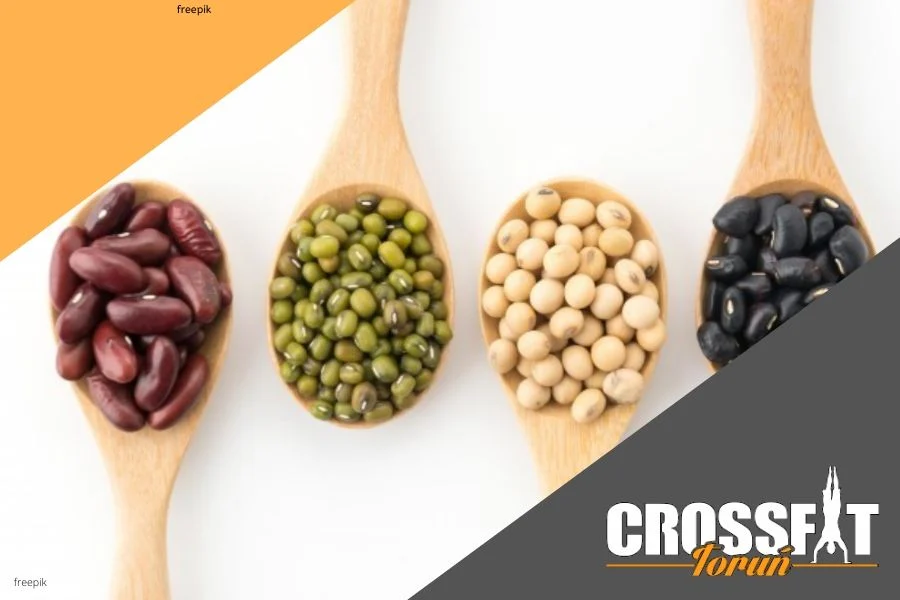
Soluble fibre is found in pulses – lentils, peas and beans (including peanuts) – as well as in oats, barley, fruit, vegetables and potatoes.
Is there a downside? Can you have too much dietary fibre?
Well, yes, you can… First, a few tips if you want to add more fibre to your diet. Increase fibre-rich foods gradually, because suddenly adding a lot of fibre can cause stomach cramps and excessive, often painful wind. Your gut will adapt over time.
Too much dietary fibre can interfere with the absorption of minerals such as iron, zinc and calcium from your food. This isn’t often a problem, as fibre-rich foods usually contain plenty of these minerals, and vegetarians on very high-fibre diets seem to be healthy – but it can cause problems when the overall quality of your diet is poor. If you take fibre supplements, be careful and use them only occasionally.
It’s important to always make sure you’re well hydrated relative to the amount of fibre you eat, because fibre can dehydrate you a little and get “lazy” in your digestive system. It’s easy to see that fibre has plenty of advantages, but it can also have a few drawbacks. Our health depends on eating balanced meals – sometimes that can be a bit tricky, but it’s worth a go for the sake of your health.