
With nutrition (as with everything, right?), sometimes we’re not quite sure what it’s all about. What are macronutrients, and what are micronutrients? Macronutrients are fuel for our body. We eat 3 types: carbohydrates, fats and proteins. Micronutrients are vitamins and minerals.
Carbohydrates are the sugars, starches and fibre found in fruit, grains, vegetables and dairy products.
Fibre is an extremely important indigestible carbohydrate, which I’ll tell you more about next time.
Carbohydrates are essential for metabolising fats and are the only source of energy for the nervous system, red blood cells and the brain. They also give food its flavour, colour and texture.
Carbohydrates are divided into simple and complex. Simple carbs are digested faster and absorbed more quickly by the body. Simple carbohydrates contain only one or two sugars, such as fructose (found in fruit) and galactose (found in dairy products). These single sugars are called monosaccharides. Simple carbs are also found in sweets, fizzy drinks and syrups. These products, however, are made from processed and refined sugars and contain no vitamins, minerals or fibre. They’re known as “empty calories”, and eating them can lead to weight gain.
Carbohydrates made up of two sugars – such as sucrose (table sugar), lactose (from dairy) and maltose (found in beer and some vegetables) – are called disaccharides. Complex carbohydrates are made up of at least 3 different sugars. They’re often referred to as starchy foods and include beans, peas, lentils, peanuts, potatoes, maize, squashes, wholegrain bread, cereals and grains. Carbs also bring with them the ideas of glycaemic index, glycaemic load and satiety index – but more on that later.
The best sources of carbohydrates
It all depends on what we want from our food. If we need a quick energy boost (after training, for example), simple sugars are a good choice: fruit and dried fruit. As well as delivering fuel fast, they’re full of vitamins and minerals. But we should also reach for complex carb sources – whole grains, potatoes, root and tuber vegetables, and pulses. When it comes to lactose, go for fermented products such as natural yoghurt, kefir, buttermilk, soured milk, and milk with a fat content of at least 1%.
Recommended sources of carbohydrates:
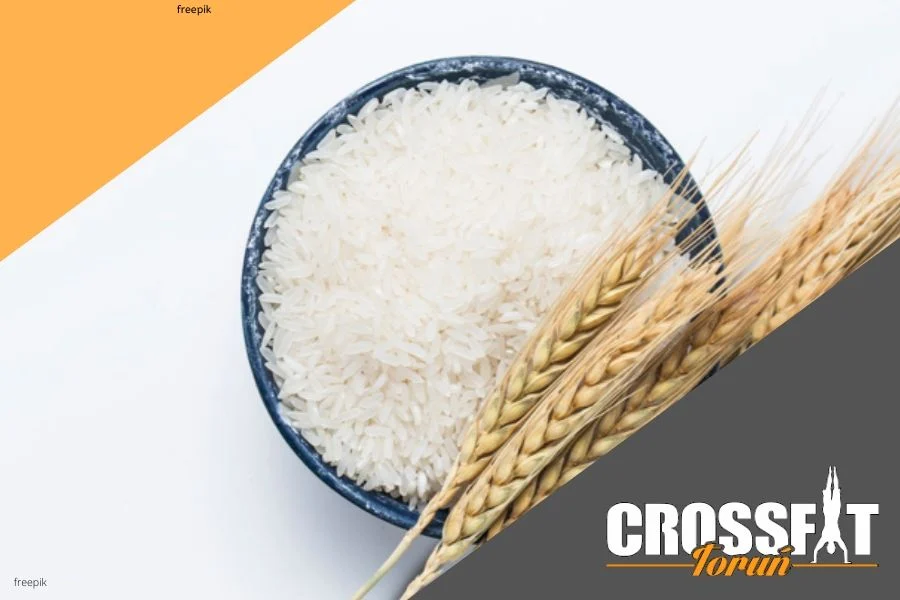
- Rice (white, basmati, parboiled, jasmine)
- quinoa
- buckwheat (roasted or unroasted groats, buckwheat flakes, buckwheat pasta, buckwheat bread, etc.)
- millet (millet groats, millet flakes, millet pasta, etc.)
- oats
- sweet potatoes, potatoes
- Jerusalem artichoke
- cassava, tapioca
- amaranth
- fruit, vegetables
- naturally occurring sugars (but in moderation!) – honey, maple syrup, coconut sugar
- flours – rice, coconut, millet, buckwheat, chestnut
Carb sources we don’t recommend (eeevil!):
- concentrated processed sugars – glucose-fructose syrup, invert sugar, sweetened drinks
- agave sugar, agave syrup
- wheat and wheat products (biscuits, sweet buns, puffed-up rolls, shop-bought bread, etc.)
- barley