Creatine is one of the best-researched dietary supplements there is. Although it’s most often associated with building muscle, its role in the body is much broader! It affects exercise capacity as well as cognitive function and the processes involved in healthy ageing.
What is creatine and why does your body need it?
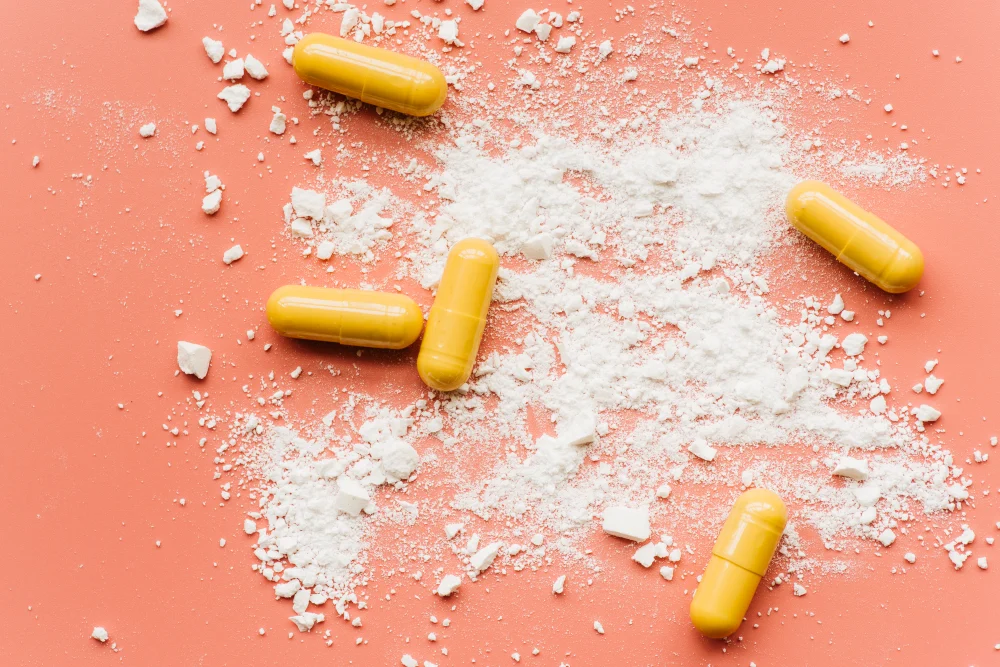
Creatine is a natural compound found in your muscles and brain. Its job is to help produce energy quickly by regenerating ATP — the key source of energy in your cells. This mechanism means creatine supports your body not only during intense exercise, but also when your brain is under extra strain.
Creatine and cognitive function
Research suggests that creatine may improve cognitive functions such as memory and concentration. In one classic study, supplementation improved memory and cognitive test results in healthy adults (Rae et al., 2003).
Reviews of the scientific literature also suggest that creatine may support brain function when you’re short of sleep or tired, and that its effects may be especially relevant in older people (Avgerinos et al., 2018; Andres et al., 2008).
How creatine affects strength, recovery and training adaptation
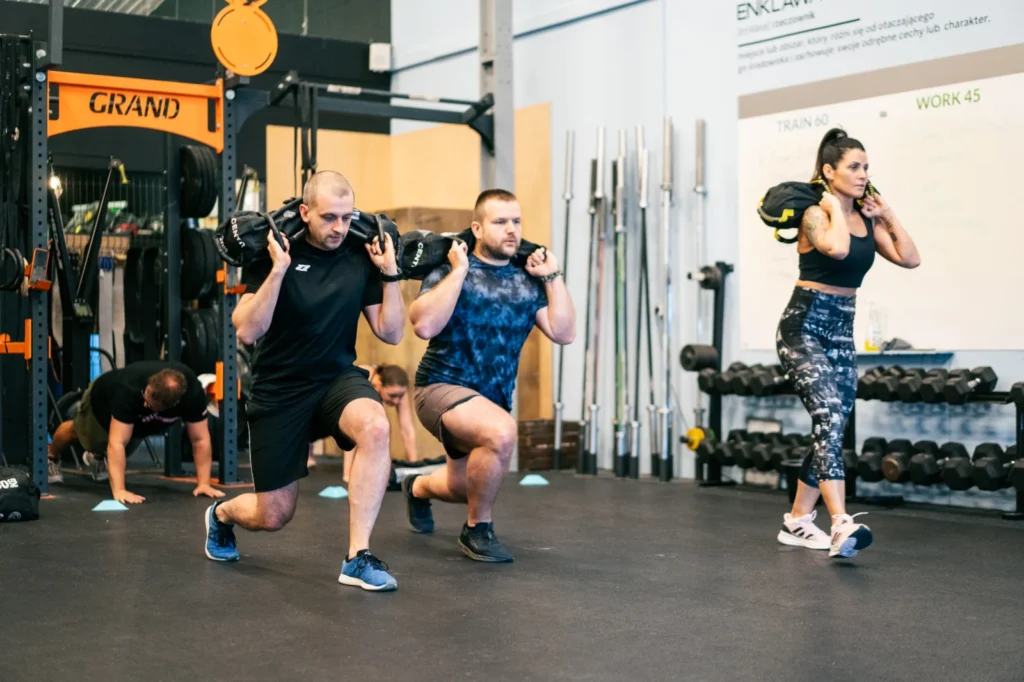
Creatine is one of the best-researched supplements for supporting physical performance. Studies show that taking it regularly can:
- increase your ability to produce force,
- improve how many reps you can perform,
- support training adaptation and, in the longer term, help build muscle by allowing you to train more effectively.
The International Society of Sports Nutrition confirms that it is both effective and safe (Kreider et al., 2017).
Creatine and women
There are plenty of myths around creatine, especially when it comes to women. The most common is the fear of putting on weight. In practice, any increase usually comes from extra water held in the muscle cells — not from gaining fat. Because women often have lower creatine stores, they may respond to supplementation just as well as men, or even better. Support for recovery, energy and wellbeing can be particularly valuable when training load or stress levels are high. Creatine may also help maintain healthy bone mass, which matters for women, who are more at risk of osteoporosis, and may benefit cognitive functions such as memory and concentration. Taking creatine regularly supports better recovery, reduces feelings of fatigue and doesn’t disrupt hormonal balance, which makes it a safe and effective way to support women’s health and fitness at every stage of life.
Creatine and older adults – support for healthy ageing
This is one of the most promising and underrated areas of creatine’s effects. Studies show that in older adults supplementation — especially combined with strength training — can:
- help maintain muscle mass,
- improve strength,
- support cognitive function,
- improve functional ability in everyday activities (Chilibeck et al., 2017; Rawson & Venezia, 2011).
That makes creatine a possible part of preventive healthcare as we age.
Safety and a practical approach
Creatine has been very thoroughly studied for safety. Standard doses (3–5 g a day) are considered safe for healthy people (Kreider et al., 2017). The best-researched and most commonly recommended form is creatine monohydrate.
Creatine is a supplement whose effects cover both muscle and brain function. It supports exercise capacity, cognitive processes and healthy ageing. Its effectiveness and safety have been confirmed time and again in scientific research, making it one of the best-understood dietary supplements available.
References
- Rae C., Digney A.L., McEwan S.R., Bates T.C. Oral creatine monohydrate supplementation improves brain performance. Proceedings of the Royal Society B, 2003. DOI: 10.1098/rspb.2002.2215
- Avgerinos K.I., Spyrou N., Bougioukas K.I., Kapogiannis D. Effects of creatine supplementation on cognitive function. Experimental Gerontology, 2018. DOI: 10.1016/j.exger.2018.07.013
- Andres R.H., Ducray A.D., Schlattner U., Wallimann T., Widmer H.R. Creatine supplementation improves brain function. Neuroscientist, 2008. DOI: 10.1177/1073858407311902
- Kreider R.B., Kalman D.S., Antonio J., et al. International Society of Sports Nutrition position stand: creatine supplementation. Journal of the International Society of Sports Nutrition, 2017. DOI: 10.1186/s12970-017-0173-z
- Chilibeck P.D., Kaviani M., Candow D.G., Zello G.A. Effect of creatine supplementation during resistance training in older adults. Medicine & Science in Sports & Exercise, 2017. DOI: 10.1249/MSS.0000000000001292
- Rawson E.S., Venezia A.C. Use of creatine in the elderly and evidence for effects on cognitive function. Amino Acids, 2011. DOI: 10.1007/s00726-011-0855-9